Pakistan’s real estate market has always been a significant driver of the country’s economy. Over the last decade, it has witnessed remarkable growth, fueled by urbanization, population growth, and increased investment interest from both domestic and overseas buyers. However, what truly stands out today are the emerging development trends that are reshaping the way properties are bought, sold, and utilized. These trends are not only altering investor behavior but are also redefining city landscapes and creating new opportunities for businesses and homeowners alike.
One of the most notable trends is the rise of mixed-use developments. Traditionally, properties were either residential or commercial, with very little overlap. Developers are now designing integrated communities where homes, offices, retail spaces, and recreational areas coexist within a single project. This approach creates self-sufficient neighborhoods, reducing the need for long commutes and enhancing the overall quality of life. In cities like Lahore, Islamabad, and Karachi, mixed-use developments are gaining popularity as they cater to the modern lifestyle that combines work, leisure, and convenience in one location. Investors are increasingly attracted to these projects because they provide multiple revenue streams, including rental income from residential units, commercial rentals, and retail sales.
Another significant shift is the growing emphasis on smart infrastructure and sustainable design. Developers are now incorporating eco-friendly practices such as energy-efficient buildings, solar power integration, water recycling systems, and green spaces. These elements not only make properties more appealing to environmentally conscious buyers but also ensure long-term cost savings for occupants. Sustainable development is no longer just a niche; it has become a key selling point, especially among millennials and urban professionals who prioritize quality of life and environmental responsibility. Cities across Pakistan are gradually adapting zoning regulations and building codes to encourage sustainable development, making it a critical trend to watch.
The commercial real estate sector is also evolving rapidly. With the rise of e-commerce, co-working spaces, and new business models, there is an increased demand for flexible commercial spaces. Investors are focusing on strategically located plots that offer high visibility and easy accessibility. A prime example is the attention being drawn to areas like faisal town phase 2 commercial payment plan, where commercial projects are attracting both small businesses and established enterprises due to the area’s strategic location and potential for high foot traffic. Such developments demonstrate how urban planning and targeted commercial zoning can create lucrative investment opportunities while simultaneously fostering local economic growth.
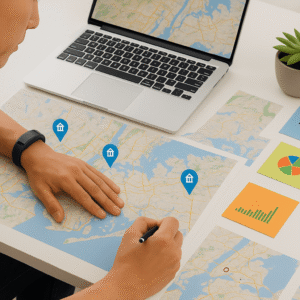
Technological integration in property management and marketing is another trend transforming Pakistan’s property market. Developers and real estate agents are increasingly using virtual tours, online property listings, and digital transaction platforms to reach a wider audience. Technology not only simplifies the buying process but also enhances transparency and trust between buyers, sellers, and investors. Real estate apps, property portals, and digital mapping tools have become essential for modern property transactions, providing detailed insights into property locations, pricing trends, and neighborhood amenities. This trend is particularly beneficial for overseas Pakistanis who want to invest in their home country without physically visiting properties.
Additionally, there is a growing focus on planned communities. Developers are investing in projects that provide well-organized layouts with proper road networks, parks, schools, and healthcare facilities. Planned communities appeal to buyers looking for security, convenience, and a sense of community. Unlike older urban areas, where infrastructure development often lags behind population growth, these new communities are designed to meet the needs of residents from day one. They often incorporate gated entrances, 24/7 security, and dedicated commercial zones, which enhance both property value and livability. Cities such as Islamabad and Lahore have seen a surge in demand for these communities, as they combine modern amenities with organized urban planning.
Government incentives and regulatory support have also played a pivotal role in shaping development trends. The introduction of tax incentives, easier approval processes, and special economic zones has encouraged developers to embark on ambitious projects. Real estate investment trusts (REITs) and other formal investment channels are gaining traction, allowing smaller investors to participate in lucrative property deals. These initiatives are helping to formalize the real estate sector, reduce speculation, and promote sustainable growth. Moreover, government-backed housing schemes are making it easier for middle-income buyers to enter the market, creating a balanced demand for both residential and commercial properties.
Vertical expansion is another trend that cannot be ignored. As urban populations grow and land availability becomes scarce, developers are increasingly turning to high-rise buildings to maximize land use. Skyscrapers and multi-story commercial complexes are becoming common in major cities, providing both residential and office space within a compact footprint. Vertical development not only optimizes space but also encourages modern architectural designs and efficient use of urban resources. Investors are drawn to these projects because they often provide higher rental yields and greater potential for appreciation, particularly in high-demand areas.
Furthermore, the rise of niche markets is influencing how developers approach property projects. Luxury apartments, boutique commercial complexes, and specialized retail centers are catering to specific demographics, from high-income professionals to entrepreneurs looking for premium office space. Customization and personalization are key, as buyers now expect properties that reflect their lifestyle and business requirements. This shift has led to more innovative design concepts, including amenities like rooftop gardens, dedicated co-working areas, fitness centers, and entertainment zones, which were previously uncommon in Pakistan’s real estate sector.
Finally, the trend of real estate as a long-term investment is gaining momentum. Investors are no longer just looking for quick profits; they are considering factors like location growth potential, future infrastructure projects, and urban development plans. The market is witnessing a shift toward strategic investments in areas poised for long-term appreciation rather than speculative ventures. This approach aligns with global investment patterns and signals a maturing real estate market that is beginning to prioritize sustainable value over short-term gains.
In conclusion, Pakistan’s property market is undergoing a profound transformation driven by mixed-use developments, sustainable design, technological integration, planned communities, government support, vertical expansion, niche markets, and long-term investment strategies. These trends are creating a more organized, transparent, and investor-friendly environment. Whether you are a first-time homebuyer, a seasoned investor, or a business owner seeking commercial opportunities, staying informed about these developments is crucial. Areas like Faisal Town Phase 2 Sector O Commercial Plots exemplify the potential of emerging commercial hubs, offering opportunities for strategic investments and long-term growth.
The convergence of these trends is redefining urban landscapes and shaping the future of Pakistan’s real estate sector. Investors and developers who adapt to these changes will likely enjoy higher returns and sustained growth, while residents will benefit from improved living conditions, better infrastructure, and a more vibrant urban experience. As the market continues to evolve, one thing is clear: the era of conventional property development is giving way to a more dynamic, innovative, and strategic real estate environment.