Choosing a rubber belt may seem like a small decision, but it has a much bigger effect on production than most people realise. A belt that doesn’t match the needs of your machine or working conditions can slow down output, create unexpected breakdowns, and increase long-term costs. Many production problems that seem mysterious often come from this one overlooked choice.
In this blog, we explore why the wrong belt can quietly sabotage your efficiency and how simple awareness can prevent major disruption.
How a Wrong Rubber Belt Slows Down Daily Operations
A belt that’s not built for your specific workload can struggle to keep up. It might slip, stretch, heat up too fast, or wear out much earlier than expected. These issues often build up slowly, which makes them hard to notice until the effects become serious.
Common signs of inefficiency include:
-
Frequent machine stops
-
Uneven movement or slipping
-
Strange sounds from the conveyor or drive system
-
Dust, cracks, or visible wear on the belt
When these symptoms are ignored, the small delays they create eventually add up to large disruptions.
The Hidden Costs Most Teams Don’t Expect
Sometimes the biggest losses are not the obvious ones. A belt that fails suddenly can shut down production, but even before this happens, small inefficiencies quietly drain resources.
Here is a visual look at how costs add up over time:
| Problem | Hidden Impact | Long-Term Result |
|---|---|---|
| Minor belt slipping | Slower cycle times | Lower daily output |
| Early belt wear | More frequent replacements | Higher yearly expenses |
| Extra friction | Higher energy use | Increase in operating cost |
| Sudden breakdown | Emergency repairs | Unexpected downtime |
These losses don’t always appear on reports right away, which is why they often remain unnoticed.
Note:
If your production line is facing slowdowns, unexpected stops, or frequent belt wear, it may be time to take a closer look at your Rubber Belts (สายพานยาง). Pix Trans Thailand can help you make informed decisions with the right guidance. Contact them to ensure your belts support your efficiency, not reduce it.

Why the Wrong Belt Creates More Wear on Your Machines
A poor match doesn’t only affect the belt itself but also the machine parts connected to it. When a belt is stiff, loose, weak, or too thick for the system, other components are forced to work harder. This causes stress and uneven pressure.
Key issues that arise:
-
Bearings wear out faster
-
Motors overheat
-
Rollers experience uneven load
-
Belts repeatedly misalign
Here’s a simple comparison to show how the belt choice affects machine health:
| Belt Fit | Machine Performance | Maintenance Level |
|---|---|---|
| Correct fit | Smooth and stable | Low |
| Slightly mismatched | Minor instability | Moderate |
| Wrong specification | Continuous strain | High |
A belt that seems “good enough” may actually be the reason other parts keep failing.
When Tiny Problems Turn Into Sudden Shutdowns
One of the most surprising things about rubber belts is how quickly a small issue can turn into a major halt. A light crack can expand, a small misalignment can grow, and a slight slip can turn into complete failure.
This is why choosing the right belt is not just about performance—it’s also about preventing surprises. In many factories, a single belt failure has halted entire production lines, causing delays that take hours or days to recover from.
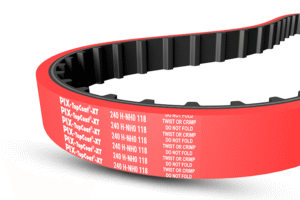
How the Right Belt Restores Efficiency and Peace of Mind
When the belt matches your machine and working environment, everything runs smoother. You get consistent speed, stable operation, and predictable results. Teams experience fewer repair interruptions, and the entire system becomes safer and more reliable.
Benefits of using the right belt:
-
Better output quality
-
Longer belt lifespan
-
Reduced energy use
-
Less strain on machinery
-
More predictable maintenance schedules
This simple choice can make the entire production line feel lighter, smoother, and more stable.
When the right belt is in place, production doesn’t just run better—it becomes more predictable. Teams can focus on improving processes instead of constantly fixing issues. This sense of stability brings a noticeable shift in how smoothly the entire operation works. But understanding why the correct belt makes such a difference can help you appreciate its long-term value even more.
One of the biggest advantages is consistency. Production lines rely on rhythm. Any interruption, even a small one, breaks that rhythm and slows the output of the entire system. The right belt maintains steady movement, preventing the stop-and-start patterns that often go unnoticed but significantly reduce productivity over time.
Another key benefit is reduced stress on other components. When a belt moves as it should, everything connected to it can work at its ideal load. This means motors don’t have to overcompensate, bearings don’t grind under uneven pressure, and rollers remain properly aligned. As a result, you avoid many of the hidden maintenance problems that often surprise teams later on.
Safety also improves with the right belt choice. A poor-fitting or low-quality belt is more likely to snap, slip, or fray unexpectedly. This not only risks damaging your machinery but also creates unsafe conditions for the workers operating them. A correctly chosen belt decreases these risks, giving your team confidence in a stable working environment.
Finally, the right belt provides something every production facility needs: long-term cost control. When belts last longer, cause fewer breakdowns, and support smoother performance, your maintenance budget becomes more predictable. You spend less on emergency repairs and more on intentional improvements.
This combination of stability, safety, and predictability is why the right belt is more than just a component—it’s a foundation for efficient and reliable production.
FAQs
1. What happens if I choose the wrong rubber belt for my machine?
It can cause slipping, overheating, early wear, and frequent breakdowns, which reduce efficiency.
2. How do I know if my belt is not suitable?
Look for signs like cracking, noise, slipping, or frequent adjustments.
3. Can a wrong belt damage other machine parts?
Yes. Misalignment and extra tension can cause damage to motors, bearings, and rollers.
4. How often should rubber belts be checked?
Regular inspections every few weeks help catch early signs of wear.
5. What factors should I consider before choosing a belt?
Consider load, temperature, speed, environment, and machine specifications.
For more informatic content visit segisocial