The Harsh Reality of Aerospace Tolerances There’s “precision,” and then there’s aerospace precision. And those two things aren’t even cousins. Aircraft don’t forgive sloppy machining. A bolt made two microns off can cause a world of pain. A fitting out of round? Forget it. That’s why aerospace fastener suppliers live under constant pressure. Every part—threaded inserts, specialty bolts, socket-head screws, all the weird custom hardware most people never hear about—has to land inside incredibly tight specs. Combine that with crazy material requirements, the endless documentation slog, and the need for manufacturing repeatability, and things get… intense. This is where shops producing CNC precision turned parts earn their badge. Millions of complex components. Zero excuses.

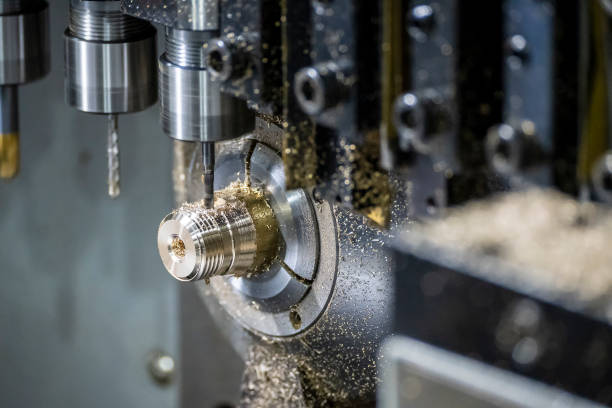
Why CNC Precision Turned Parts Are the Unsung Heroes You’ll never see CNC precision turned parts trending anywhere. They’re not glamorous. They’re not flashy tech. They’re the tiny connectors, pins, bushings, sleeves, miniature screw-machined components, and odd-shaped little bits that keep flight systems behaving like they should. The magic is in how these parts are made. CNC Swiss-type machines rip through complex geometries that manual machining would laugh at. They handle high volumes with ridiculous accuracy. And for aerospace, that’s non-negotiable. A turned pin that’s 0.01 mm off can jam up an entire actuator system. People underestimate how much this matters. Until something breaks. Then suddenly turned parts become everyone’s priority.
Where Fasteners and Turned Parts Collide: The Supply Chain Mess If you’ve ever watched an aircraft assembly line pause because a single fastener wasn’t delivered on time… well, welcome to the party. Happens all the time. And it’s brutal. Aerospace fastener suppliers deal with supply chain chaos every day. Material shortages. Certification delays. Testing bottlenecks. And engineers who redesign things mid-production—because of course they do. CNC precision turned parts suppliers live in the same circus. Short lead times, impossible tolerances, and production runs that balloon or shrink overnight. When both parts of the supply chain collide, either everyone wins—or the whole program stalls out. The shops that survive? They’re the ones that adapt fast, communicate bluntly, and invest in machines that don’t quit.
Materials: Where Most Costs Hide (and Most Problems Start) People love talking about machining. Cutting tools. Coolant. Speeds and feeds. Fancy equipment. All that’s fun. But materials? That’s where the real pain lives. Aerospace fastener suppliers deal with alloys that act like they hate being machined—Inconel, A286, titanium, heat-resistant stainless steels. Stuff that eats carbide before breakfast. CNC precision turned parts shops face the same battles. Even tiny components demand premium stock. Bar straightness matters. Lot traceability matters. And material certs? Don’t even get me started. One small slip—wrong heat batch, inconsistent hardness, a mis-labeled bar—and you’re scrapping parts like it’s a hobby. Materials make or break the job long before the chips start flying.
Quality Control Isn’t a Department—It’s a War Zone You ever seen an aerospace shop’s QC room? It’s not a quiet lab with nice lighting. It’s a pressure cooker. Fastener suppliers run tens of thousands of pieces through thread gauges, hardness testers, tensile rigs, microscopes, coating inspections, and documentation checks. Any part out of spec? Start over. CNC precision turned parts get the same brutal treatment. Air gaging, optical comparators, CMM scans. Batch sampling. First-article inspections. And tons of paperwork that feels like it never ends. The reality: QC keeps aircraft safe. It also keeps manufacturers awake at night. Because something always finds a way to slip through—unless you’re fanatically disciplined.
The Role of Automation (Even in “Old-School” Aerospace) People assume aerospace machining is low-tech. Controlled. Slow-moving. Conservative. Which is half true. But behind the scenes? Automation is taking over. Swiss-style CNC machines run unattended for hours. Automated inspection stations catch mistakes before humans do. Robotic loaders feed bar stock. Software tracks lot numbers like a hawk. Fastener suppliers use automated cold-heading systems, optical sorting machines, and robotic packaging lines. No one talks about it much, but automation is the only reason lead times haven’t ballooned even more. The demand is too high, the tolerances too tight, and the labor pool too thin.
Why Aerospace Buyers Are Tougher Than Anyone Else Procurement people in aerospace aren’t rude. They’re just under insane pressure. One late shipment? They hear about it. One mislabeled bag of fasteners? They hear about it louder. They ask endless questions because they have to. They demand certs because regulators demand certs. They push for price cuts because upper management pushes them harder. Fastener suppliers and CNC turned-parts manufacturers live in this world daily. Some folks complain about it. The good shops accept it. The great shops build systems that make customers breathe easier.
Lead Times: The Battle No Supplier Ever Truly Wins Lead times in aerospace are a problem nobody has solved. Demand spikes. Materials vanish. Machines go down. QA takes longer than expected. Engineers tweak prints after production starts (yes, again). Fastener suppliers fight this constantly. CNC precision turning shops fight the same fight. The goal isn’t perfection. It’s predictability. Customers can handle honesty, even blunt honesty—“We can’t ship it next week. Here’s the realistic date.” What they can’t handle is silence. Or sugar-coating. Or promises that fall apart. The shops that communicate with brutal clarity usually earn long-term loyalty.
The Future: Smaller, Stronger, Lighter, Faster Aircraft systems keep shrinking. And getting lighter. And demanding stronger parts. It’s a weird combination when you think about it. Fasteners with higher shear strength. Turned parts with tighter tolerances. Everything miniaturizing. Everything getting more complicated. CNC precision turned parts shops are buying newer machines with sub-micron controls. Fastener suppliers are investing in better testing rigs, smarter automation, and improved surface-coating technologies. The future? It’s going to push everyone harder. And weirdly enough, that’s a good thing. Innovation never shows up early—it shows up when people get uncomfortable.
Why Choosing the Right Supplier Isn’t Optional Aircraft depend on parts that work 100% of the time—not 98%, not “close enough.” That means aerospace fastener suppliers need insane consistency. CNC precision turned parts must withstand extreme conditions. And manufacturers can’t afford to gamble on unproven shops. The right supplier becomes a partner. Someone who solves problems, not adds them. Someone who answers calls. Someone who delivers parts that you don’t have to babysit. That’s why companies that invest in better machining, better QC, and better communication rise to the top. They make life easier for everyone.
Final Thoughts: The Stuff That Holds the Sky Together Look, you don’t need me to tell you how important aerospace hardware is. Fasteners and precision-turned parts keep aircraft in one piece at 35,000 feet. That’s serious business. But behind every tiny screw, bushing, spacer, or custom connector, there’s a team grinding away—machinists, inspectors, engineers, planners, suppliers—all fighting the same uphill battles. If you need fasteners or turned components done right, and you want a shop that actually cares about quality and deadlines, then look toward a partner that’s built around precision and grit. Visit Allied Technologies International, Inc to start.
FAQs What do aerospace fastener suppliers actually provide? They supply high-spec bolts, screws, inserts, specialty hardware, and custom fasteners built for extreme performance, tight tolerances, and certified traceability. Why are CNC precision turned parts important in aerospace? They form the backbone of countless aircraft systems—actuators, fuel controls, sensors, landing gear assemblies—anywhere small, tight-tolerance components are needed. Are aerospace fasteners different from standard industrial fasteners? Absolutely. Aerospace fasteners handle higher loads, tougher materials, more aggressive environments, and brutal quality requirements. Why do lead times feel so long in aerospace supply chains? Material shortages, complex certifications, inspection requirements, and tight tolerances all slow things down. There’s no easy shortcut. How do I choose a reliable supplier for turned parts or fasteners? Look for consistency, clear communication, strong QC, and a proven track record with demanding industries like aerospace.