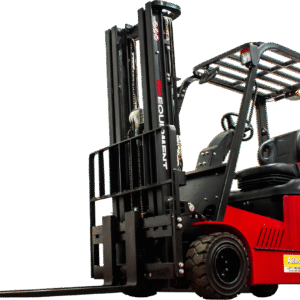
Counter Balance Electric Stacker – A Complete Guide
Efficient material handling is at the heart of every successful warehouse or industrial facility. As businesses shift toward safer, cleaner, and more automated equipment, the counter balance electric stacker has emerged as a practical and effective solution. In modern material handling environments—especially those embracing sustainability—the electric stacker plays a crucial role in lifting, stacking, and transporting loads without the limitations of traditional forklifts.
This blog explores how counter balance electric stackers work, their key features, benefits, applications, and important considerations for choosing the right one. The information is designed to be educational and helpful to businesses evaluating equipment for smoother operations. Avcon System, a leading material handling manufacturer, continues to contribute to the industry by supporting the adoption of advanced solutions like electric stackers.
What Is a Counter Balance Electric Stacker?
A counter balance electric stacker is a battery-operated lifting equipment designed to stack pallets and transport goods without requiring additional support arms. Unlike standard stackers that rely on outriggers for stability, counter balance stackers maintain equilibrium using a built-in weight—similar to a counterbalance forklift.
This design allows operators to work easily with closed pallets, industrial containers, and goods placed directly on the floor. Its compact size, electric operation, and ability to maneuver in tight aisles make it one of the most compatible machines for modern warehouses.
How a Counter Balance Electric Stacker Works
The stacker operates using:
Electric traction motor for movement
Electric lifting motor for raising and lowering the mast
Inbuilt counterweight for stability during load handling
Battery system for long operation cycles
Hydraulic system for smooth load management
The counterweight allows the machine to lift loads without extending support legs, making it ideal for environments where space or pallet design limits the use of traditional stackers.
Key Features of Counter Balance Electric Stackers
1. Counterbalanced Design
The highlight feature is the built-in counterweight, enabling direct access to pallets, containers, and racking systems without obstructions.
2. Electric Operation
Battery power ensures quiet, emission-free operation. This makes it suitable for food, pharmaceutical, packaging, retail, and indoor logistics industries.
3. Compact and Agile
The small turning radius gives operators the flexibility to navigate inside narrow aisles and congested storage areas.
4. Adjustable and Strong Mast
Electric stackers often come with:
Duplex/Triplex masts
High lift heights
Smooth, precise lifting mechanisms
5. Safety Enhancements
Common safety features include:
Emergency stop
Anti-roll-back on ramps
Speed control
Overload protection
Ergonomically designed handles
6. Energy Efficient
Electric stackers consume less energy compared to forklifts, especially when designed with regenerative braking and advanced battery systems.
Benefits of Using a Counter Balance Electric Stacker
1. Better Maneuverability in Tight Spaces
Its compact build makes it easier to work in environments where forklifts may struggle, such as low-height racks or narrow aisles.
2. Reduced Operating Costs
Electric stackers require less maintenance and have lower operational expenses compared to fuel-powered lifting equipment.
3. Safer Workplace Operations
Electric machines eliminate exhaust fumes, are quieter, and reduce operator fatigue—contributing to a safer indoor environment.
4. Increased Productivity
Operators can move and stack loads quickly, helping streamline workflows in warehouses, production floors, and distribution centers.
5. Versatile Applications
It is suitable for:
Pallet stacking
Order picking
Rack loading/unloading
Production line feeding
Goods movement inside factories
6. Ideal for Indoor Use
Industries like FMCG, pharmaceuticals, cold storage, and packaging benefit the most due to the clean and quiet operation.
Common Applications in Modern Industries
The counter balance electric stacker is widely used across sectors such as:
E-commerce distribution
Warehousing and logistics
Retail storage facilities
Food and beverage manufacturing
Automotive components handling
Textile and packaging units
Electronics assembly lines
Any facility that requires regular stacking up to medium heights without the need for a full-sized forklift can use this equipment effectively.
How to Choose the Right Counter Balance Electric Stacker
When selecting the best equipment for your operational needs, consider the following:
1. Load Capacity
Determine the maximum load you handle daily. Standard electric counter balance stackers offer capacities between 1 ton to 2 tons.
2. Lift Height Requirements
Measure your racking system height to decide the mast configuration that best suits your operations.
3. Aisle Width
Check the turning radius and aisle width compatibility.
4. Battery Technology
Options include:
Lead-acid batteries
Lithium-ion batteries (faster charging, longer life, zero maintenance)
5. Frequency of Use
Higher usage requires stronger motors, durable masts, and high-quality components.
6. Ergonomics & Safety
Ensure the stacker includes adequate safety features and is comfortable for daily, continuous use.
Maintenance Tips for Long-Term Performance
To extend the life of your electric stacker:
Conduct daily visual inspections
Check battery water levels (for lead-acid batteries)
Maintain proper battery charging cycles
Lubricate hydraulic parts regularly
Keep the mast and forks clean
Inspect wheels and brakes periodically
Routine maintenance not only ensures smooth performance but also reduces downtime and repair costs.
Why Counter Balance Electric Stackers Are Gaining Popularity
As businesses move toward automation, sustainability, and efficient material handling, electric stackers offer the perfect balance of cost-effectiveness, performance, and safety. They serve as an excellent alternative to small forklifts—especially in indoor environments where emissions and noise levels must be controlled.
Their rising adoption is a reflection of the industry’s shift toward clean energy equipment and intelligent warehouse solutions. Companies like Avcon System, known for high-quality material handling equipment, contribute to this growing demand by offering reliable technology.
Conclusion
The counter balance electric stacker is an essential asset for modern warehouses and industrial facilities seeking cleaner, safer, and more efficient material handling solutions. With its counterweight design, electric drive, and excellent maneuverability, it fits perfectly into operations where traditional forklifts may be oversized or impractical.
Industries aiming to enhance productivity, reduce operational costs, and maintain safe indoor environments will find electric stackers a smart, future-ready investment.