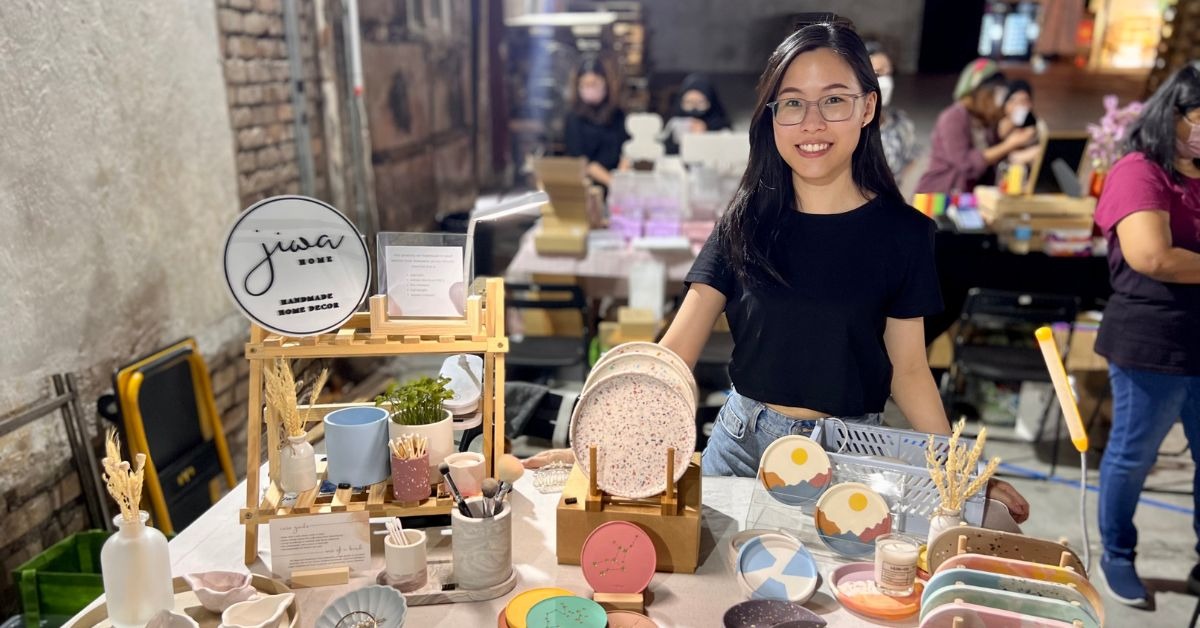
Jesmonite has become a popular choice among artists, designers, and hobbyists in Singapore. Known for its versatility and eco-friendly qualities, this material bridges the gap between art and sustainable design. In a city where creativity meets innovation, Jesmonite in Singapore is shaping how people craft, decorate, and express ideas through material design.
What Is Jesmonite?
Jesmonite is a composite material created by combining a mineral base with a water-based acrylic resin. It was first developed as an alternative to fiberglass and concrete. Over time, it gained a reputation for being lightweight, strong, and easy to use.
Composition and Features
The material is known for its smooth finish and high level of detail reproduction. It can mimic stone, concrete, ceramic, or plaster, yet it remains lighter and safer to handle. Jesmonite’s water-based nature also makes it more sustainable than traditional resin, which often relies on solvents.
Safety and Environmental Benefits
Jesmonite is free of volatile organic compounds (VOCs), making it safe for indoor use. It produces minimal dust and odor, which is ideal for craft studios and small home setups. In Singapore’s push toward greener living, this material aligns perfectly with sustainable crafting practices.
Why Jesmonite Is Popular in Singapore
Singapore’s creative industry values materials that are both functional and sustainable. Jesmonite fits this demand perfectly. Its rise in popularity comes from its adaptability, durability, and aesthetic potential.
Versatile for Creative Use
Jesmonite can be poured, molded, and colored in many ways. Makers use it to create planters, trays, coasters, jewelry, sculptures, and even wall panels. Its ability to capture detail and texture allows creators to produce professional-looking pieces without industrial tools.
Ideal for Urban Homes
In Singapore, where space is limited, lightweight and durable décor is preferred. Jesmonite offers a modern, minimal look that suits the clean design aesthetic found in many homes. Its strength ensures long-lasting pieces without the bulk of concrete or stone.
Sustainable Design Material
Singapore’s focus on sustainability has encouraged artists and designers to choose eco-friendly materials. Jesmonite’s water-based formula means it emits fewer pollutants and can be used safely in educational and commercial environments.
Common Applications of Jesmonite in Singapore
Jesmonite’s versatility makes it useful across art, design, and architecture. Its ability to take on different forms and finishes has made it a favorite among both professionals and hobbyists.
Home Décor and Crafts
In the local craft scene, Jesmonite is often used to make lifestyle accessories such as terrazzo-style trays, plant pots, and coasters. Makers enjoy experimenting with color chips and pigments to produce unique textures. These pieces have become popular at local craft fairs and design markets in Singapore.
Art and Sculptural Work
Artists appreciate Jesmonite for its precision in capturing fine details. It is ideal for sculptural pieces, reliefs, and molds. Because it cures quickly and safely, artists can experiment with forms and finishes without using harmful chemicals.
Architectural and Interior Design
Beyond crafts, Jesmonite is used in architectural panels and design elements. It provides a lightweight alternative to concrete surfaces while maintaining a natural aesthetic. Architects and interior designers value it for applications such as wall cladding, feature panels, and decorative moldings.
Working with Jesmonite
Jesmonite’s user-friendly nature makes it appealing for both beginners and professionals. It does not require specialized machinery, and small projects can be completed with simple tools.
Mixing and Casting
To use Jesmonite, you mix its liquid and powder components according to a set ratio. Once blended, the mixture is poured into molds and allowed to set. It typically cures within 30 minutes. After curing, the surface can be sanded, polished, or sealed.
Coloring and Finishing
Color pigments can be added directly to the mix to achieve solid or marbled effects. Many Singaporean makers use terrazzo techniques, adding colored chips for a speckled pattern. A sealer is applied after curing to protect the surface from stains and moisture.
Care and Maintenance
Jesmonite is durable but slightly porous. Sealing helps improve its resistance to water and stains. Clean finished pieces with a damp cloth and avoid harsh chemicals to maintain the finish. In Singapore’s humid weather, sealing is especially important for longevity.
Learning and Exploring Jesmonite in Singapore
With the growing craft culture, Singapore offers many opportunities to explore Jesmonite through workshops and community events. These settings allow beginners to learn the basics while experimenting creatively.
Local Craft Workshops
Jesmonite workshops teach participants how to mix, pour, and decorate their creations. These sessions focus on small items such as coasters, planters, and trays. Workshops are popular among young adults, art students, and those interested in sustainable craft practices.
Makers and Design Communities
Singapore’s maker spaces and art communities have embraced Jesmonite as part of modern craft culture. Artists share techniques online and in local groups, exchanging ideas on texture, color, and form. This collaboration supports innovation and experimentation.
Material Availability
Jesmonite materials and pigments are available through local suppliers and online platforms. Many creators prefer to source smaller quantities for personal projects, while studios often buy in bulk for classes or product production.
Advantages of Using Jesmonite
Jesmonite stands out for its combination of safety, sustainability, and creative flexibility. These qualities have made it one of the most widely adopted materials in modern craft and design.
Safe and Easy to Handle
Unlike epoxy resin, Jesmonite is non-toxic and water-based. It does not release harmful fumes, allowing users to work comfortably in small indoor spaces such as apartments or classrooms.
Aesthetic Versatility
Jesmonite can resemble various materials, including concrete, stone, or ceramic, depending on how it is finished. This versatility allows designers to use it in both rustic and contemporary interiors.
Sustainable Production
Its eco-friendly formulation supports Singapore’s sustainability goals. Artists and businesses are increasingly choosing materials that reduce waste and environmental impact, and Jesmonite fits this vision.
Future Outlook for Jesmonite in Singapore
As Singapore continues to grow as a hub for design and creativity, Jesmonite’s popularity is expected to increase. The material’s flexibility aligns with the needs of modern creators and sustainable production methods.
Expanding Creative Boundaries
Innovations in pigments, sealers, and mold techniques will broaden Jesmonite’s use across industries. Designers are exploring transparent finishes, gradient colors, and hybrid materials that combine Jesmonite with metal or wood.
Integration in Sustainable Design
Jesmonite supports the global move toward green materials in architecture and crafts. In Singapore’s design scene, where sustainability and innovation intersect, Jesmonite is set to remain a material of choice for years to come.
Summary
Jesmonite offers a balance between creativity, safety, and sustainability. In Singapore, it has become more than just a crafting material—it represents a shift toward conscious design and hands-on creativity. Whether used for small décor pieces, sculptures, or architectural surfaces, Jesmonite continues to inspire makers and designers across the island. As awareness of sustainable materials grows, Jesmonite’s role in shaping Singapore’s design future looks both promising and enduring.